
What is transgenesis and how does it work?
Transgenesis is a genetic engineering technique that makes it possible to incorporate genes from one organism into the DNA of another, even if they are not evolutionarily related. In the case of plants, this means they can receive genes from bacteria, fungi, animals or even other plants, giving them new traits such as disease resistance, tolerance to extreme conditions or the ability to produce specific proteins.
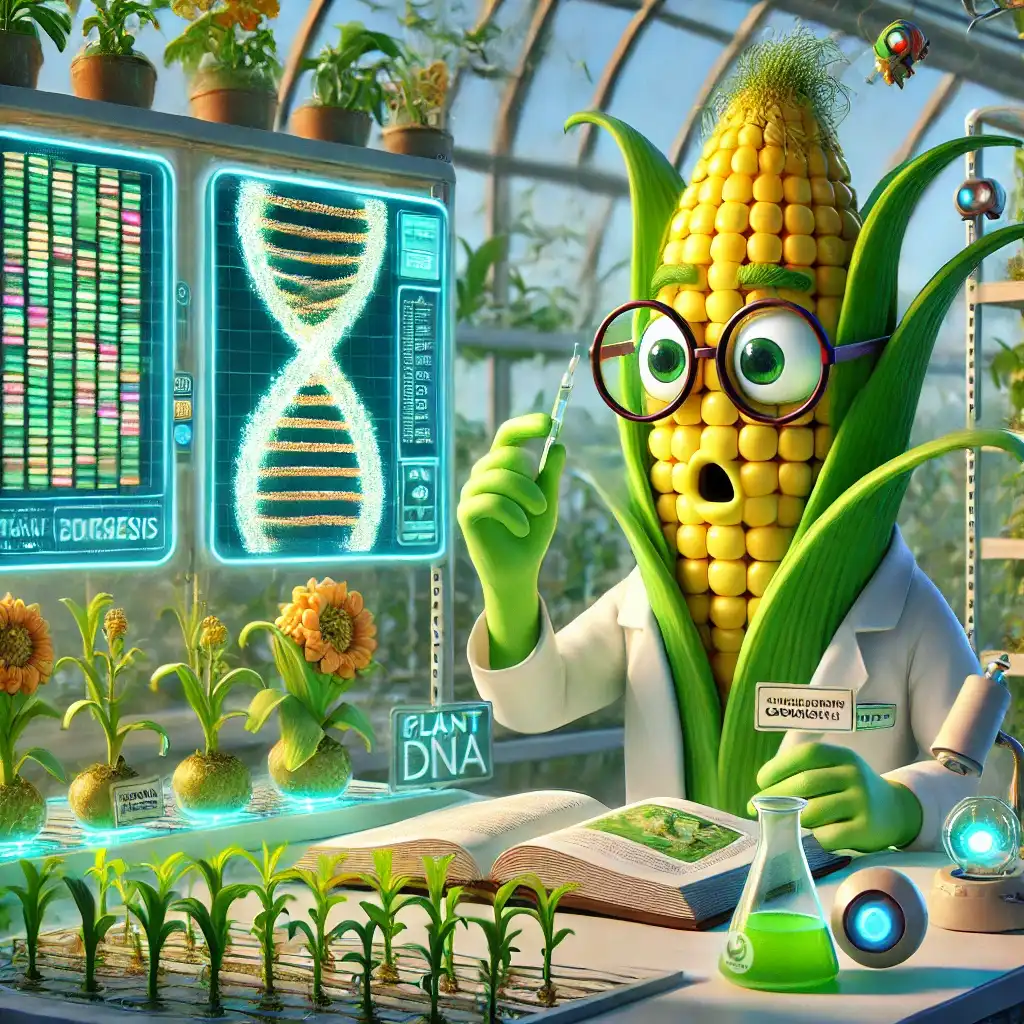
To understand it better, imagine we want a wheat plant to resist pests without pesticides. To achieve this, scientists can insert a gene from a bacterium called Bacillus thuringiensis (Bt), which produces a protein that is toxic to certain insects but harmless to humans. In this way, the wheat gains a natural defense against pests without the need for chemicals.
How is a gene transferred to a plant?
The process of transgenesis in plants follows several key steps:
- Identifying the gene of interest: Scientists select a gene that will give the plant a desired trait. For example, a gene that improves drought resistance.
- Inserting the gene into the plant: This can be done in two main ways:
- Using the bacterium Agrobacterium tumefaciens: This bacterium has a natural ability to transfer genes to plants. It is modified in the laboratory so that it introduces the desired gene into the plant’s DNA.
- The biolistic method or “gene gun”: Tiny DNA-coated particles are fired into the plant’s cells, so that some of them incorporate the gene.
- Regenerating the plant: From the modified cells, new whole plants are grown that now carry the modified gene in their DNA.
- Testing and selection: Multiple transgenic plants are grown and evaluated to make sure the inserted gene works properly and has no unwanted effects.
Real-life examples of transgenic plants.
Transgenesis has made it possible to create plants with surprising characteristics. Some well-known examples include:
- Bt corn: It carries a gene from the bacterium Bacillus thuringiensis that makes it resistant to harmful insects.
- Golden rice: Genes from a bacterium and from corn were added to produce beta-carotene, a precursor of vitamin A, helping to combat vitamin A deficiency in developing countries.
- Long-lasting tomatoes: They were modified to delay ripening, so they last longer on supermarket shelves without preservatives.
- Drug-producing plants: Some species, such as tobacco, have been modified to produce proteins used in medicines and vaccines.
Advantages and challenges of transgenesis in plants.
Advantages:
- Less use of pesticides and fertilizers.
- Production of foods with higher nutritional content.
- Crops that are more resistant to extreme weather.
- Potential to develop plants that produce medicines and other useful proteins.
Challenges and concerns:
- Possible effects on biodiversity and natural ecosystems.
- Strict regulations and debates about the safety of GMOs (genetically modified organisms).
- Rejection by some consumers because of ethical concerns or a lack of information about GM crops.
What does the future hold?
Transgenesis has opened up a world of possibilities for crop improvement and agricultural biotechnology. However, its development must go hand in hand with appropriate regulations and rigorous scientific studies to ensure its safety and sustainability. In the future, we may see more plants designed not only to improve food production but also to produce bioplastics, clean up soils or even capture more CO₂ from the air.
Keep reading