
CRISPR and its impact on protein production in plants.
Gene editing with CRISPR (Clustered Regularly Interspaced Short Palindromic Repeats) is one of the most revolutionary biotechnology tools available today. In agriculture, CRISPR not only makes it possible to improve crops in terms of yield and resistance, but is also opening up new possibilities for protein production in plants, turning them into natural factories of essential compounds.
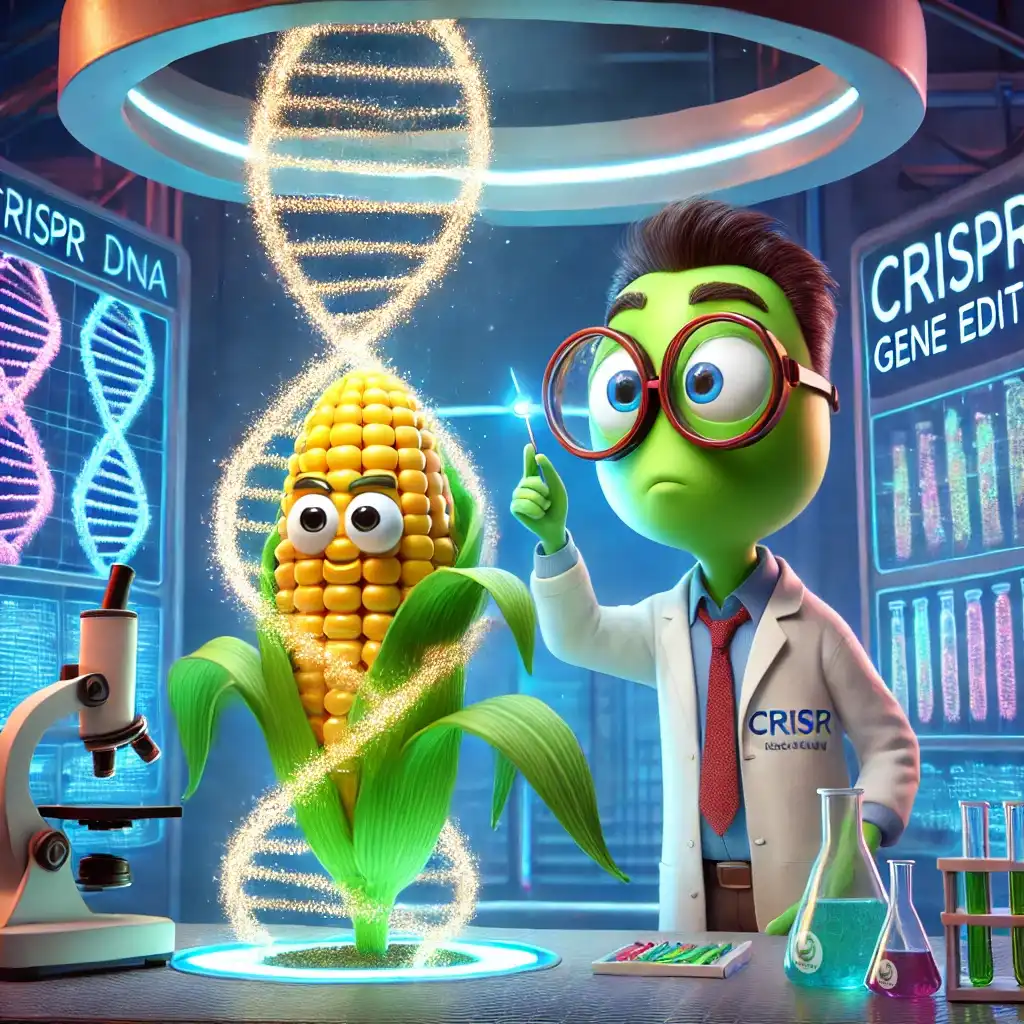
How is CRISPR used to produce proteins in plants?
Using CRISPR in plants allows the selective modification of genes to induce the production of proteins with high nutritional or industrial value. The process follows these key steps:
- Identifying the gene of interest: Genes that can code for specific proteins are selected, such as casein (for plant-based dairy products) or egg albumin.
- Precise DNA editing: Using the Cas9 enzyme (or its variants), specific cuts are made in the plant’s DNA, allowing genes to be inserted, removed or modified.
- Optimizing plant metabolism: Metabolic pathways are adjusted to increase production of the desired protein without affecting plant growth.
- Regenerating the edited plant: From the modified cells, whole plants are grown that can produce the protein stably.
Applications of CRISPR in protein production in plants.
Using CRISPR to induce the production of specific proteins in agricultural crops has promising applications across a number of industries:
- Dairy protein production: Companies are developing gene-edited varieties of soybean and alfalfa to produce casein, making it possible to produce cheese without animal milk.
- Eggs without hens: Using CRISPR, plants such as the potato and rice have been designed to synthesize ovalbumin, the main protein in egg white.
- Proteins for the pharmaceutical industry: Some species of tobacco and lettuce have been edited to produce therapeutic proteins, including antibodies and vaccines.
- Optimizing plant proteins: Genes have been edited in crops such as peas and lentils to improve the quality of their proteins and make them more bioavailable for human consumption.
Benefits of using CRISPR in protein biomanufacturing.
Using CRISPR to produce proteins in plants offers significant advantages:
- Lower environmental impact: Dependence on livestock farming decreases, reducing CO₂ emissions and water use.
- More efficient production: Plants can produce proteins on a large scale with less investment in infrastructure.
- An allergen- and antibiotic-free alternative: Plant proteins can be designed to avoid allergy problems and eliminate the need for antibiotics.
- Less farmland needed: High-quality proteins can be produced on a smaller area than with animal production.
Challenges and future prospects.
Despite its advantages, CRISPR-based protein production in plants faces some challenges:
- Regulation and consumer acceptance: Some countries have regulatory barriers to marketing gene-edited foods.
- Production efficiency: The amount of protein plants can produce without affecting their growth is still being optimized.
- Compatibility with the food industry: More research is needed to adapt these proteins to industrial processes without altering their functionality.
A new era for protein production.
The application of CRISPR to protein production in plants represents a revolution in food biotechnology. As this technology advances, in the near future we may see plant-based products that replace dairy, eggs and animal proteins without compromising flavor or functionality. The combination of genetic precision and sustainability marks the beginning of a new era in alternative protein production.
Keep reading