The decline in laying hens: Causes, consequences, and management strategies.
Laying hens are highly productive birds that play a crucial role in egg production for human consumption. However, like any living organism, these birds face various challenges throughout their lives, including a phenomenon known as “decline.” In this article, we will explore in detail the decline in laying hens, examining its causes, the consequences for egg production, and the management measures that can be implemented to mitigate its effects.

What is the decline in laying hens?
The decline in laying hens is a stage characterized by a gradual decrease in egg production and quality as the birds age. This process generally begins between 72 and 78 weeks of age, although its duration and severity may vary depending on the breed and management conditions. During the decline, hens experience a reduction in laying frequency and a decrease in egg size, which directly impacts total production.
Causes of the decline in laying hens.
The decline in the productivity of laying hens can be attributed to several factors, among which the following stand out:
- Aging: The decline is a natural consequence of aging, during which the reproductive system of hens deteriorates, reducing their ability to produce eggs.
- Physical wear: Throughout their productive life, hens experience significant physical wear due to continuous egg laying, which can affect their overall health and reproductive capacity.
- Nutrition: A balanced and adequate diet is essential for the performance and health of laying hens. Poor nutrition can accelerate the decline in egg production.
- Stress: Factors such as environmental changes, extreme temperatures, the presence of predators, or alterations in the social group can induce stress in birds, which negatively impacts their production.
Consequences of the decline in laying hens.
The decline in egg production in laying hens can have various consequences for both the farm and the birds themselves:
- Reduction in egg production: The most evident consequence is the decrease in the number of eggs produced, which can affect the farm’s income and the availability of eggs in the market.
- Decrease in egg size: Hens in decline tend to lay smaller eggs, which also affects the quality of the final product.
- Increased vulnerability to diseases: Hens in decline are more susceptible to diseases due to their physical weakening, which may require greater veterinary attention.
- Withdrawal of birds: In some cases, hens in decline are withdrawn from production and may be used for other purposes, such as meat production.
Management strategies to address the decline in laying hens.
Although the decline is a natural stage, measures can be implemented to minimize its impact and prolong the productive life of hens:
- Adequate nutrition: It is essential to provide a balanced and specific diet for laying hens throughout their lives, which helps maintain their health and prolong egg production.
- Stress control: Minimizing stressful situations in the hens’ environment, such as sudden changes in the surroundings or the presence of predators, is key to maintaining their well-being and production.
- Sanitary management: Implementing regular vaccination, deworming, and health monitoring programs can reduce the risk of diseases and keep hens healthy throughout their productive lives.
- Flock renewal program: Regularly introducing new young hens into the flock helps maintain consistent production and replace hens that are in decline.
- Individualized care: It is crucial to closely monitor each hen during the decline, observing their behavior, food consumption, egg production, and health status to identify those needing special care.
- Adequate housing: Providing comfortable and safe housing, with access to clean nests and sufficient space to move around, is essential to maintain the well-being of hens in decline.
- Nutritional supplementation: Considering the addition of specific nutritional supplements can help sustain health and egg production during the decline. Consulting with a poultry nutrition specialist is advisable to adjust the diet according to each bird’s needs.
- Planned retirement program: It is important to plan the retirement of hens in a humane manner, considering their age and quality of life, to ensure their well-being.
- Alternative use: Instead of completely withdrawing hens in decline, some can be used for other functions on the farm, such as pest control or as pets.
The decline in laying hens is a natural stage in the life of these highly productive birds. Although it impacts egg production, proper management can minimize its effects and maintain the well-being of the hens during this phase. By taking an integrated approach that includes adequate nutrition, stress control, individualized monitoring, and retirement planning, it is possible to prolong these birds’ productive life, ensuring sustainable and healthy egg production on the poultry farm.
Crossbreeding in birds: myths, realities, and curiosities
Avian hybrids: the surprising mix of species. The crossbreeding of birds is a phenomenon that has intrigued scientists, breeders, and enthusiasts for generations. Although avian hybridization may seem exotic or unusual, it is actually a natural process that has also...
Are chickens dinosaurs?
Are chickens dinosaurs?. A look at the surprising evolutionary connection. When we think of dinosaurs, we often imagine giants like Tyrannosaurus rex and Triceratops. However, did you know there is an evolutionary connection between these prehistoric creatures and the...
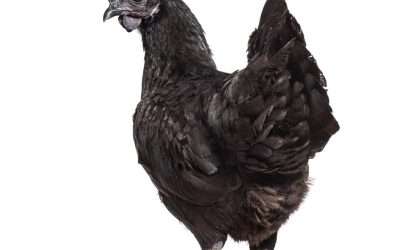
The black Ayam Cemani hen
The BLACK hen: One of the rarest poultry gems in the world. The poultry world is vast and diverse, but few breeds have captured the imagination and awe quite like the Ayam Cemani. Originating from Indonesia, this breed is an unusual specimen that stands out not only...
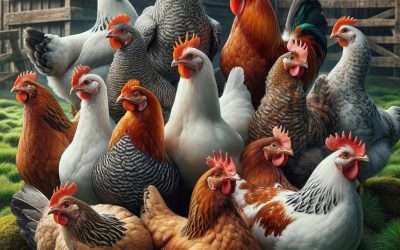
The main laying hen breeds.
There are several laying hen breeds commonly used in the poultry industry and on family farms, many of which have origins dating back to ancient times. From the classic Leghorn hens, known for their high production of white eggs, to the Rhode Island Red, valued for...
Study on lice infestation in hens in cage-free laying systems.
Study on Lice Infestation in Hens in Cage-Free Laying Systems and Its Relevance to Other Infestations. A recent study conducted by the University of California, Riverside, has revealed that laying hens in cage-free systems, such as floor and aviary systems, have a...

Growth cycle of laying hens
The path to peak production: Development of laying hens. The growth and development of laying hens is a complex and well-structured process that encompasses several key phases, each with its specific importance in ensuring that the birds reach their full productive...