
Knemidocoptes, the scaly leg mite
The scaly leg mite, known scientifically as Knemidocoptes spp., is a parasite that commonly affects chickens and other poultry. This mite causes a condition known as “scaly leg”, characterized by thickening and crusting of the legs and sometimes the face of the birds. The infestation can cause severe discomfort and, if left untreated, can lead to mobility problems and even secondary infections.
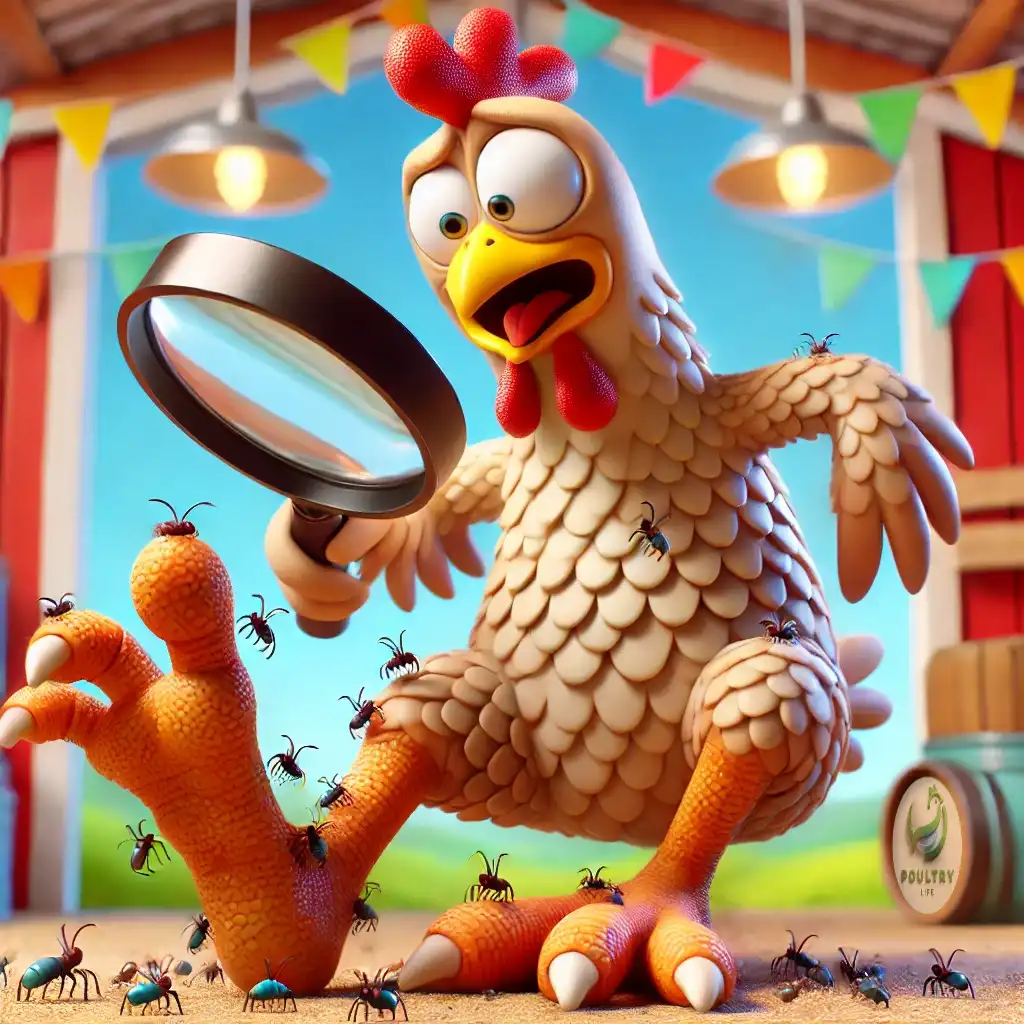
What is the scaly leg mite (Knemidocoptes)?
Knemidocoptes is a type of microscopic mite that lives under the scales of the skin on birds’ legs, especially in chickens. There are several species within the genus Knemidocoptes, but they all cause similar symptoms. The mites dig tunnels under the skin scales, where they feed on keratin, the protein in skin, causing irritation and inflammation.
Symptoms of infestation by Knemidocoptes.
It is essential to recognize the symptoms of a Knemidocoptes infestation in order to start treatment in time. The main signs include:
- Raised scales: The hens’ legs become rough and the scales lift or thicken due to the build-up of tissue and the presence of the mite.
- Crusts: In advanced cases, thick, rough crusts form on the legs and may even cover the claws.
- Feather loss: Although less common, feathers near the legs or face may begin to fall out.
- Irritation and itching: Hens may constantly scratch or peck themselves, showing signs of discomfort.
- Difficulty walking: In severe infestations, the legs become deformed, which can make it hard for the birds to move.
Diagnosing the infestation.
Diagnosis is usually made by carefully observing the symptoms. If you suspect Knemidocoptes, it is advisable to consult a veterinarian who specializes in birds, who can confirm the presence of the mite with a skin scraping examined under the microscope.
Treatment for scaly leg mite.
There are several options for treating the mite Knemidocoptes, and how effective the treatment is will depend on the severity of the infestation:
- Mineral oil baths: Applying mineral or olive oil to the affected legs helps suffocate the mite. Rub the oil in, covering all the affected scales, and repeat every 2–3 days until you see an improvement.
- Topical ivermectin treatments: Ivermectin is an effective antiparasitic for treating severe infestations. It is applied topically or given orally under veterinary supervision.
- Antiparasitic powders: Poultry insecticide powders specifically formulated for mites can be helpful. These products should be applied according to the manufacturer’s instructions, making sure they are safe for chickens.
- Vinegar and garlic baths: Mix vinegar and garlic in a bath of warm water and soak the hens’ legs. This solution is useful as a supporting measure to reduce irritation and repel mites.
- Cleaning and disinfecting the coop: It is crucial to clean and disinfect the hens’ living area to prevent reinfestation. Remove old straw and bedding, disinfect the nests and apply a bird-safe insecticide in the roosting areas.
Preventing infestation by Knemidocoptes.
Prevention is key to keeping your hens free of mites. Here are some practical tips:
- Check legs regularly: Inspect your hens’ legs at least once a month for any signs of mites.
- Coop hygiene: Keeping the area clean and disinfected, paying special attention to roosting areas and nests, is essential.
- Care with new birds: If you add new hens, quarantine them for a few weeks and check that they are free of parasites before introducing them to the flock.
- Nutritional supplements: Good nutrition and vitamin and mineral supplements can help strengthen the hens’ immune system, making them less susceptible to infestations.
The scaly leg mite (Knemidocoptes) can cause discomfort and serious problems in hens if not treated in time. Recognizing the symptoms and acting quickly with appropriate treatments is essential for your birds’ welfare. In addition, prevention through good hygiene and regular checks can help keep Knemidocoptes and other parasites under control, protecting your hens’ health in the long term.
Keep reading