
Turkey parthenogenesis is a reproductive process in which an unfertilized egg cell develops into a viable embryo without the involvement of a sperm cell. In turkeys, as in most birds, parthenogenesis is not a natural means of reproduction and rarely occurs naturally. However, under certain artificial conditions, such as exposure to certain chemicals or to high temperatures, cases of parthenogenesis have been reported in turkeys.
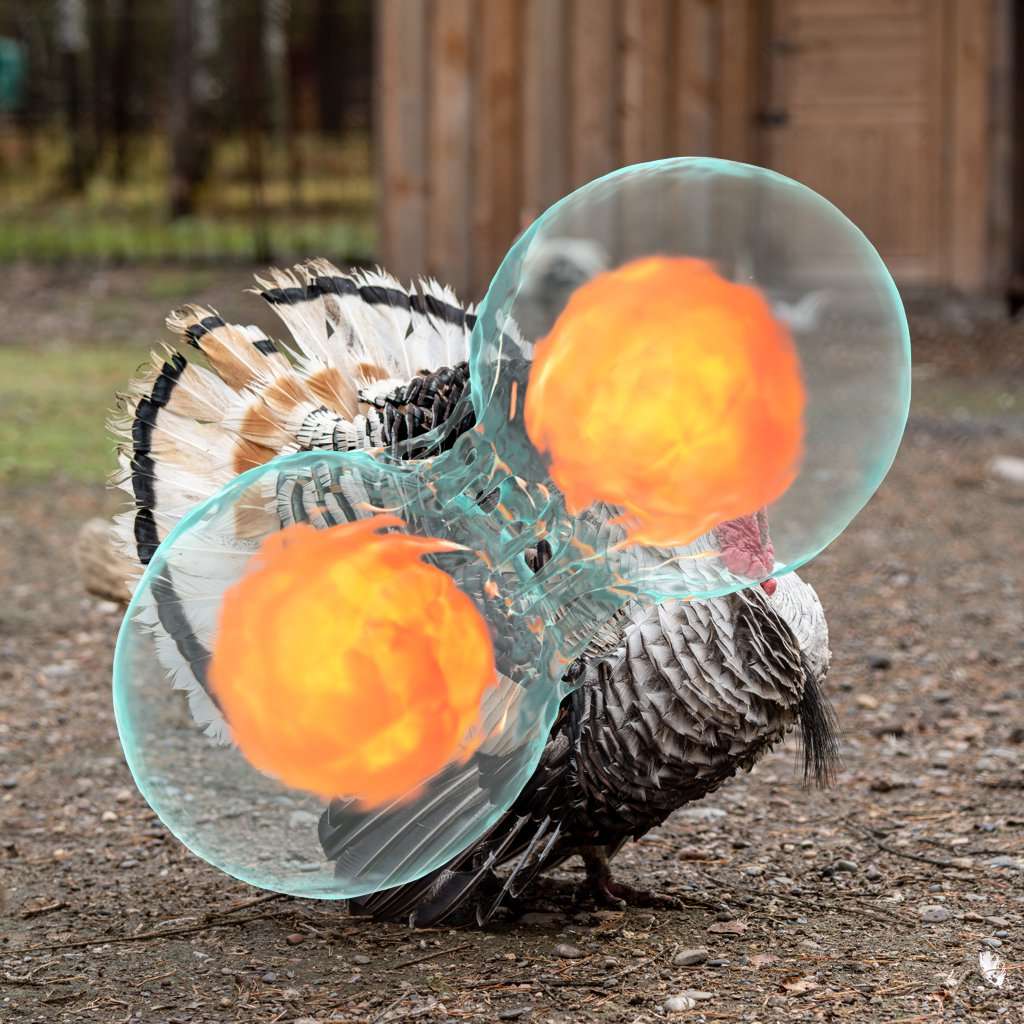
In turkey parthenogenesis an unfertilized egg cell is activated by an external stimulus and begins to divide and develop into an embryo. However, turkeys that develop through parthenogenesis rarely survive to adulthood, because embryos that develop from an unfertilized egg cell lack the genetic variability produced by combining genetic material from both parents. This can lead to developmental and health problems for the turkey.
In general, turkeys reproduce through the fertilization of an egg cell by a sperm cell. Male turkeys, or toms, court females by displaying their feathers and calling. When the female is ready to breed, the male mounts her and deposits sperm in her reproductive tract. The sperm fertilizes the egg cell, and the resulting egg is incubated for about 28 days before it hatches into a baby turkey.
Parthenogenesis is not a common process in turkeys and is not a natural means of reproduction in these birds. Normal reproduction in turkeys takes place through the fertilization of an egg cell by a sperm cell, and an embryo that develops from an unfertilized egg cell can have health and developmental problems.
Cases of parthenogenesis in turkeys are rare and occur only occasionally under artificial conditions. Most reports of parthenogenesis in turkeys come from laboratory studies or experiments in which the egg cells are subjected to special conditions.
In 1936, the first case of parthenogenesis in turkeys was reported in which a viable embryo developed from an unfertilized egg cell. In this study, the egg cells were treated with a chemical that mimics the activity of sperm. Other cases of parthenogenesis in turkeys have since been reported in similar studies in which the egg cells were treated with chemicals or exposed to high temperatures.
Keep reading