Red mites in chickens: Causes, symptoms, and effective treatments.
Red mites, also known as bird mites (Dermanyssus gallinae), are common parasites that affect chickens and other poultry. These tiny insects can cause significant problems in chicken coops, impacting the health of the birds and, consequently, egg production. In this article, we will explore the causes, symptoms, and effective treatments to combat this pest.

Red mites usually appear in warm and humid environments, conditions that favor their reproduction. The main causes of infestation in chickens are:
- Poor hygiene conditions: Dirty and poorly maintained chicken coops provide an ideal habitat for red mites.
- Contact with wild birds: Wild birds can carry mites and transmit them to domestic chickens.
- New housing: Introducing new birds to the coop without proper sanitary control can lead to infestation.
- Contaminated clothing and equipment: Mites can adhere to people’s clothing and equipment, spreading from one place to another.
Symptoms.
Early detection of a red mite infestation is crucial to avoid further damage. Some common symptoms in chickens include:
- Decrease in egg production: Infested chickens produce fewer eggs due to stress and nutrient loss.
- Disheveled and falling feathers: Mites feed on the blood of birds, leading to feather loss and poor overall condition.
- Restless behavior: Infested chickens may appear restless and frequently agitated due to the irritation caused by the mites.
- Irritated skin and scabs: The skin of chickens may show irritation, scabs, and redness, especially around the neck, vent area, and under the wings.
- Anemia: Continuous blood loss can lead to anemia, manifested by paleness in the comb and wattles of the birds.
Effective treatments.
Combating red mites requires a multifaceted approach that includes both preventive measures and direct treatments. Here are some effective methods:
- Regular cleaning and disinfection: Keeping the coop clean is essential. Perform regular deep cleanings, removing feather debris, droppings, and other waste.
- Insecticides: Apply specific insecticides for mites in the coop and on the chickens according to the product instructions. Some common insecticides contain permethrin or pyrethrin.
- Ash baths: Provide chickens with ash baths, as it helps repel and kill mites. The ashes should be fine and dry.
- Essential oils: Some essential oils, such as neem oil or lavender oil, have repellent properties and can be used diluted in water to spray the coop.
- Natural treatments: Using diatomaceous earth in the coop and on the birds can help dehydrate and kill mites without chemicals.
- Bird rotation: Separating infested birds and treating them separately can help control the spread of mites.
- Veterinary check-ups: Consult a veterinarian for specific recommendations and possible additional treatments, especially in severe cases of infestation.
Prevention.
Prevention is key to keeping red mites under control:
- Regular inspection: Periodically check the chickens and coop for early signs of infestation.
- Wild bird control: Limit the access of wild birds to the coop through nets and mesh.
- New bird care: Ensure new birds are examined and treated before introducing them to the coop.
- Maintain cleanliness: Keep a constant cleaning and disinfection routine.
Red mites can be a challenging pest for chicken breeders, but with the right combination of hygiene, treatment, and prevention, it is possible to keep these infestations at bay and ensure the well-being of the birds.
Food sovereignty in Morocco and Africa: the role of SGA Samrane Groupe Avicole
A community more than a company. SGA Samrane Groupe Avicole defines itself as a community built on trust, innovation, and science. Its purpose goes beyond business: it seeks to contribute to strengthening food sovereignty in Morocco and across Africa, driving a strong...
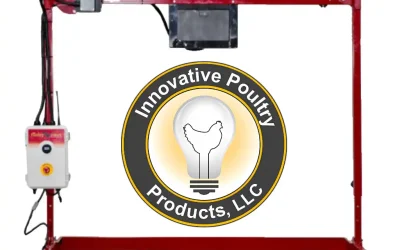
Poultry Hawk motorized cart: automation for poultry farms
Poultry Hawk Trolley: efficiency in poultry management. The poultry industry requires efficient solutions to optimize daily tasks inside rearing houses. In this context, the Poultry Hawk Trolley, manufactured by Innovative Poultry Products LLC, has become an...

What is the Yolk Index?
The Yolk Index: a key indicator of egg quality. The Yolk Index is an essential parameter in assessing egg quality, based on the ratio between the height and diameter of the yolk. It is mainly used in the poultry industry and quality control studies to determine the...
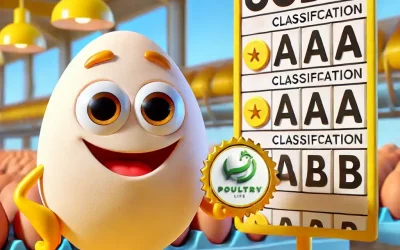
What is USDA classification?
USDA egg classification: Quality standards in the poultry industry. Egg classification is an essential process in the poultry industry to ensure that consumers receive high-quality and fresh products. One of the most widely used systems worldwide is the USDA...

What is the Haugh Unit?
Haugh Unit: The key indicator of egg freshness. Egg freshness is a determining factor in its quality and consumer acceptance. One of the most reliable and widely used methods worldwide to measure this freshness is the Haugh Unit, a standardized parameter that...

The revolution in egg evaluation: discover the Egg Tester Plus
Egg Tester Plus by ORKA Food Technology: Precision and efficiency in egg quality evaluation. The Egg Tester Plus has set new standards in egg quality evaluation. Thanks to its advanced technology, it allows for detailed analysis in a matter of seconds, providing...