
The expansion of Latin American poultry farming: the influence of Asian machinery
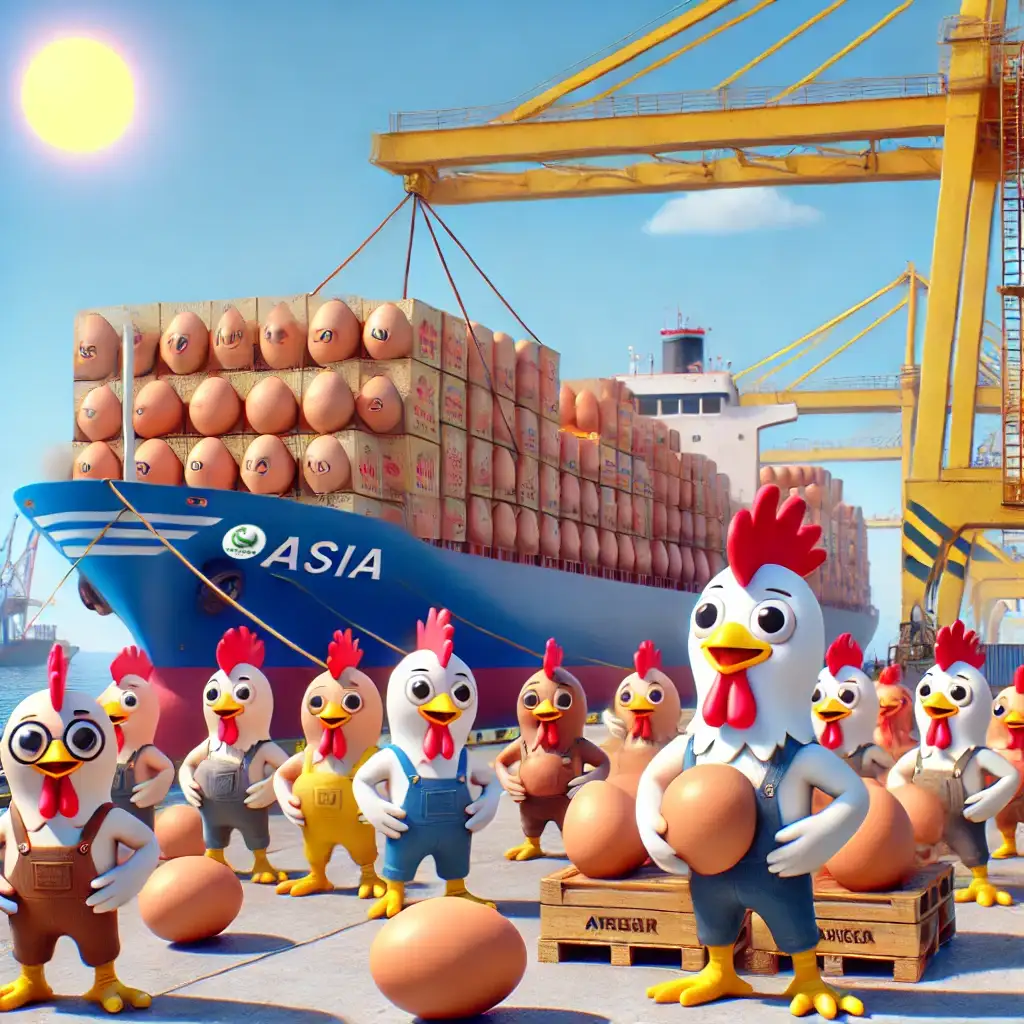
The export of poultry equipment from China and Asia in general to Latin America is a growing phenomenon based on a number of economic, technological and market factors. This article explores the main reasons behind this trend and how it affects both the exporting countries and the importers in Latin America.
1. Competitive production costs.
One of the main reasons China and other Asian countries export poultry equipment to Latin America is their competitiveness in production costs. In China, labor is relatively cheap compared with other regions, and economies of scale allow Chinese poultry producers to offer lower prices. In addition, the production infrastructure in many Asian countries is highly developed, allowing efficient, large-scale production.
2. Technological advances in poultry production.
China and other Asian countries have invested heavily in technology to improve the efficiency and quality of their poultry production. This progress is reflected in the poultry machinery and systems they use. The poultry machinery includes equipment such as incubators, feeding systems, drinking systems, automatic egg collection and meat processing equipment, all designed to automate and optimize production. Meanwhile, poultry systems integrate technologies for environmental management, bird health monitoring and waste management, enabling more efficient and sustainable management of poultry farms. These advances allow Asian producers to offer high-quality products that appeal to Latin American markets seeking to improve their own production capabilities.
3. Market expansion and diversification.
Market diversification is another key reason for Asia’s poultry exports to Latin America. Asian companies are looking to expand their global presence, and Latin America offers a growing market with steady demand for poultry products, both for direct consumption and to improve the genetics and productivity of local farms. This diversification helps mitigate the risks of depending on regional markets and strengthens the global position of Asian producers.
4. Growing demand in Latin America.
Latin America has seen sustained growth in demand for poultry products, driven by rising population and incomes. This demand has led many countries in the region to look for international suppliers that can complement local production. China and other Asian countries have responded by offering both poultry meat and genetic material, such as hatching eggs and chicks, to support the expansion of the Latin American poultry industry.
5. Trade agreements and bilateral cooperation.
Finally, trade agreements and bilateral cooperation between Asian and Latin American countries have eased the flow of poultry products. Free trade agreements and specific agreements on agricultural products have lowered tariff barriers and simplified export procedures. This has made poultry exports from Asia to Latin America more attractive from a logistical and economic point of view.
Challenges in the European market.
By contrast, the European market, although attractive for its size and purchasing power, poses a considerable challenge for Asian exporters. Strict health regulations, high quality standards and complex tariff and non-tariff barriers make doing business in Europe harder to manage than in other markets. This makes Europe a riskier and more complicated market for both exports and imports, reinforcing Asian producers’ strategy of seeking opportunities in more accessible markets such as Latin America.
Impact on Latin America.
Importing poultry equipment from Asia has had a significant impact on Latin America. On the one hand, it has given local producers access to advanced technology and high-quality genetic material, improving the productivity and competitiveness of the region’s poultry industry. On the other, it has also raised concerns about dependence on foreign inputs and possible vulnerability to changes in trade policy or product availability.
The export of poultry equipment from China and other Asian countries to Latin America reflects the globalization of agricultural markets and growing interdependence between regions. The reasons behind this trend include cost competitiveness, technological advances, market diversification, growing demand and trade agreements. For Latin America, this dynamic offers both opportunities and challenges, and its future development will depend on the region’s ability to balance external dependence with strengthening its own poultry industry.
Keep reading