
Ornamental birds: a colorful art within poultry keeping.
Ornamental poultry keeping is a branch of poultry farming focused on breeding, keeping and showing birds mainly for their aesthetic value rather than for meat or egg production. These birds are bred for their colorful feathers, elegant shapes, peculiar behavior and, in some cases, their melodious song. This kind of poultry keeping combines aspects of traditional poultry farming with elements of gardening, art and design, as the birds are chosen and cared for not only for their genetic traits but also for their ability to beautify and enrich spaces.
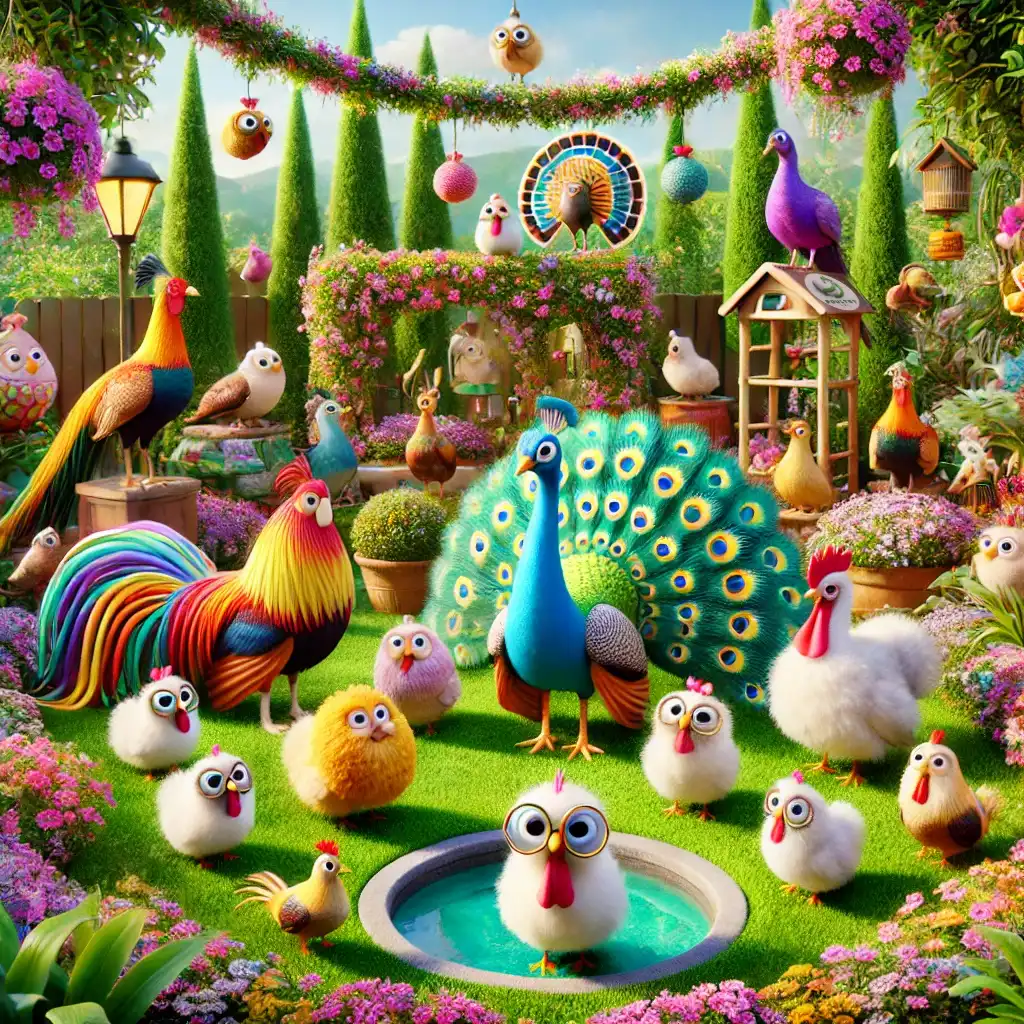

Types of ornamental birds.
A wide variety of bird species are bred in ornamental poultry keeping, including:
- Ornamental chickens: There are many chicken breeds kept specifically for their unique appearance, such as the Silkie, known for its soft, silky plumage, or the Polish chicken, famous for its crest of feathers on the head.
- Peafowl: Known for the spectacular fan of their tail, peacocks are among the most popular and admired ornamental birds.
- Pheasants: These birds stand out for their colorful, exotic feathers. Among the best-known species are the golden pheasant and the silver pheasant.
- Ornamental ducks and geese: Some breeds of ducks and geese, such as the mandarin duck or the Egyptian goose, are bred for their attractive plumage patterns and their elegance.
- Songbirds: Besides their beauty, some ornamental birds, such as canaries and goldfinches, are prized for their singing.
Aims of ornamental poultry keeping.
The main aims of ornamental poultry keeping are:
- Aesthetics: Many people enjoy the beauty of these birds in their gardens, in parks or even at specialized shows.
- Conservation: Breeding ornamental birds can also play a part in preserving old or endangered breeds.
- Recreation and showing: There are competitions and shows where breeders exhibit their birds, competing for prizes based on the quality and characteristics of their animals.
- Education: Ornamental birds are also used in zoos and parks to teach the public about biodiversity and the importance of conservation.
Care and considerations.
Keeping ornamental birds requires specific knowledge of the needs of each species, including:
- Proper feeding: Diets must be adapted to each type of bird, taking its nutritional requirements into account.
- Habitat and space: Birds need enough room to move and surroundings that mimic their natural habitat, to reduce stress and promote their welfare.
- Disease prevention: As in any kind of poultry keeping, disease prevention is crucial. This includes vaccination, parasite control and regular cleaning of the areas where the birds live.
Ornamental poultry keeping is an activity that combines a passion for birds with an appreciation of aesthetics and conservation. More than a hobby, for many breeders it is a way of life and a contribution to biological diversity. By getting involved in breeding ornamental birds, enthusiasts not only enjoy the beauty of these creatures but also play an important role in preserving unique species and breeds.
Keep reading