Broody hens: Understanding their behavior and care.
A broody hen is one that has entered a state of “broodiness” or “nesting” in which she is determined to lay eggs and raise chicks. During this time, the hen may be less productive in egg production and may exhibit behaviors such as constantly sitting on her nest or becoming aggressive if disturbed. This is normal behavior in hens and can last from several weeks to several months.

The fascinating world of broody hens.
Broody hens are an interesting and natural phenomenon in the avian world. The term “broody” refers to a hen that has developed the instinct to incubate eggs and raise chicks. This behavior is essential for natural reproduction and is observed in many chicken breeds. In this article, we will explore what it means for a hen to be broody, the signs of this behavior, and how to properly care for them.
What does it mean for a hen to be broody?
A broody hen is one that has decided to incubate eggs to hatch them. This usually occurs due to a natural maternal instinct. During this period, the hen will spend most of her time sitting on the eggs, keeping them warm until the chicks are ready to hatch.
Signs that a hen Is broody.
Recognizing a broody hen is quite simple if you know what to look for. Some of the most common signs include:
- Territorial behavior: The broody hen may become protective and aggressive if someone approaches her eggs.
- Staying in the nest: She will spend almost all day and night in the nest, leaving only occasionally to eat and drink.
- Fluffed feathers: Often, the hen will puff up her feathers when someone approaches.
- Peculiar noises: She may make specific sounds different from normal clucking.
Caring for a broody hen.
Caring for a broody hen requires some special considerations:
- Adequate space: Ensure she has a quiet and safe place to incubate her eggs. The nest should be in an area where she is not disturbed by other hens.
- Food and water: Provide easy access to food and water. It is important that the broody hen eats properly, although she will leave the nest only occasionally.
- Comfort and warmth: The nest should be comfortable and kept at an appropriate temperature. Some people use straw or wood shavings for the nest.
- Nest management: Check the nest regularly to ensure everything is in order and clean. This also helps prevent problems such as parasite infestations.
Interventions and considerations.
Not all broody hens are the same, and some may need more help than others. If a hen remains broody for a long time without successful incubation, intervention might be necessary. In some cases, hens may need to be dissuaded from their broody state, especially if it becomes detrimental to their health.
Broody hens are a vital component of natural avian reproduction. Understanding and caring for a broody hen can be a rewarding and educational experience for any poultry keeper. With the proper care and conditions, these hens can significantly contribute to the raising of healthy and vigorous chicks.

Crossbreeding in birds: myths, realities, and curiosities
Avian hybrids: the surprising mix of species. The crossbreeding of birds is a phenomenon that has intrigued scientists, breeders, and enthusiasts for generations. Although avian hybridization may seem exotic or unusual, it is actually a natural process that has also...
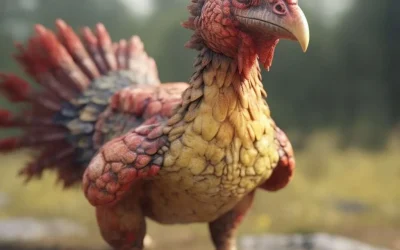
Are chickens dinosaurs?
Are chickens dinosaurs?. A look at the surprising evolutionary connection. When we think of dinosaurs, we often imagine giants like Tyrannosaurus rex and Triceratops. However, did you know there is an evolutionary connection between these prehistoric creatures and the...
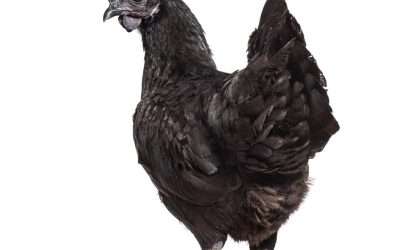
The black Ayam Cemani hen
The BLACK hen: One of the rarest poultry gems in the world. The poultry world is vast and diverse, but few breeds have captured the imagination and awe quite like the Ayam Cemani. Originating from Indonesia, this breed is an unusual specimen that stands out not only...
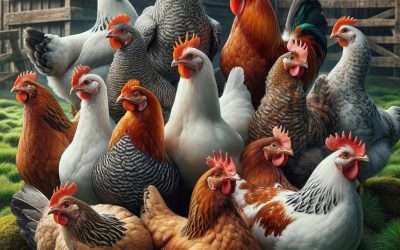
The main laying hen breeds.
There are several laying hen breeds commonly used in the poultry industry and on family farms, many of which have origins dating back to ancient times. From the classic Leghorn hens, known for their high production of white eggs, to the Rhode Island Red, valued for...

Study on lice infestation in hens in cage-free laying systems.
Study on Lice Infestation in Hens in Cage-Free Laying Systems and Its Relevance to Other Infestations. A recent study conducted by the University of California, Riverside, has revealed that laying hens in cage-free systems, such as floor and aviary systems, have a...

Growth cycle of laying hens
The path to peak production: Development of laying hens. The growth and development of laying hens is a complex and well-structured process that encompasses several key phases, each with its specific importance in ensuring that the birds reach their full productive...