From pest to dish: he mealworm revolution.
The tenebrio molitor, commonly known as the mealworm, has drawn attention in recent years due to its potential as a protein source for both human and animal consumption. Mealworms present a sustainable option for food production and have potential applications across various fields. This article will address their characteristics, breeding process, and the possible future of this species in the food industry.

Characteristics of tenebrio molitor.
Native to Europe and now found worldwide, mealworms are beetles belonging to the Tenebrionidae family. Their life cycle comprises four stages: egg, larva (popularly known as the mealworm), pupa, and adult.
Larvae are the most familiar and utilized stage in feeding and can measure up to 2.5 cm long when fully grown. They are yellow in color and possess a robust exoskeleton.
Nutritional benefits.
Mealworms are an excellent protein source, with protein content ranging between 48% and 54% of their dry weight. Additionally, they are rich in healthy fats, vitamins, minerals, and fiber. This composition makes them a nutritionally rich option for incorporation into both animal and human diets.
Breeding mealworms.
Breeding mealworms is a relatively simple process that can be scaled from small home productions to extensive industrial operations.
- Feeding: Mealworms are omnivorous, and their primary diet consists of plant matter. They are fed a mix of grains and cereals such as oats, wheat, and corn, occasionally supplemented with fruits and vegetables to maintain adequate moisture.
- Habitat: They are bred in plastic or wooden containers, layered with a cereal substrate. They should be kept in a dark environment with temperatures between 20°C and 30°C.
- Reproduction: Upon reaching sexual maturity, adult mealworms reproduce, with females laying their eggs in the substrate. These eggs hatch after 4 to 20 days, producing new larvae.
- Harvesting: Larvae are ready to be harvested once they reach their maximum size, right before transitioning into the pupa stage. They can then be processed for various applications.
Applications and future use.
- Animal feed: Mealworms are used as feed in poultry, fish, and reptile farms due to their high protein content. They are available live, dried, or in powdered form.
- Human consumption: The FAO has promoted the consumption of insects, including mealworms, as a sustainable protein source. They can be incorporated into energy bars, cookies, pasta, and other food products.
- Cosmetic and pharmaceutical industries: Chitin, a component of the mealworm exoskeleton, has applications in the production of cosmetics and medicines.
- Sustainability: Compared to traditional livestock farming, mealworms require less water, feed, and space. Additionally, they emit fewer greenhouse gases, making them a more sustainable option.
- Organic fertilizer production: Worm guano or worm compost, a byproduct of mealworm decomposition, is an organic fertilizer rich in nutrients such as nitrogen, phosphorus, and potassium. This fertilizer improves soil structure, increases water retention capacity, and promotes beneficial microorganism activity, making it ideal for organic farming and horticulture.
The tenebrio molitor, historically viewed merely as a pest, is emerging as a potential solution to current food sustainability challenges. Its easy breeding and versatility across applications position it as a valuable alternative in the global food production landscape. As the world population continues to grow and resources become scarcer, it’s likely that mealworms and other insects will play an increasingly significant role in future food sources.

Galinsect: Innovation in insect farming
Galinsect's advanced vision. At the heart of an agricultural and food revolution is Galinsect, a pioneering company in the breeding and commercialization of insects with the goal of providing a clean, natural, and sustainable food source. This initiative...
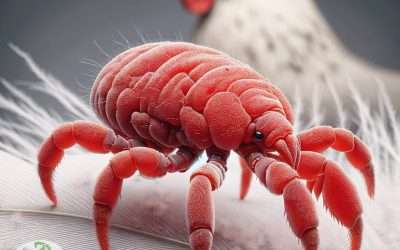
How to identify and control red mites in your chickens
Red mites in chickens: Causes, symptoms, and effective treatments. Red mites, also known as bird mites (Dermanyssus gallinae), are common parasites that affect chickens and other poultry. These tiny insects can cause significant problems in chicken coops, impacting...

International platform for insects as food and feed (IPIFF)
Insects as food and feed: A sustainable solution for the future. The planet faces enormous challenges due to population growth and the increasingly fierce competition for scarce resources. The global population is expected to reach 9 billion by the year 2050, and the...
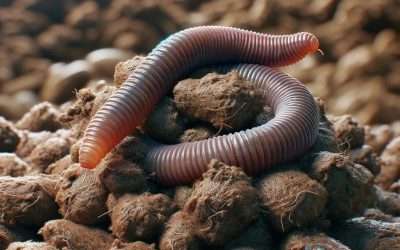
Organic worm guano fertilizer.
Transforming crops with worm guano. At the forefront of sustainable agricultural practices, organic "worm guano" fertilizer stands out as an innovative and effective solution for enriching the soil and improving crop productivity without compromising environmental...

Better Insect Solutions: Pioneers in the insect breeding revolution
Innovation and sustainability in insect breeding: The future according to better insect solutions. In a world rapidly advancing towards overpopulation and facing significant challenges in food security and environmental sustainability, insect breeding emerges as an...

AFFIA: Engine of the insect industry for feed and fodder in Asia
AFFIA Association: Shaping the Future of Entomoculture and Entomophagy in Asia. In a constantly evolving world, the search for more sustainable, ethical, and efficient food sources has become an imperative need. Founded in 2016, the Asian Food and Feed Insect...