
Microorganisms in action: the role of starter cultures.
Starter cultures are blends of selected microorganisms used to control and optimize fermentation processes in a wide range of food products. These microorganisms include lactic acid bacteria, yeasts and molds, which help develop specific characteristics in foods, such as flavor, texture and microbiological safety.
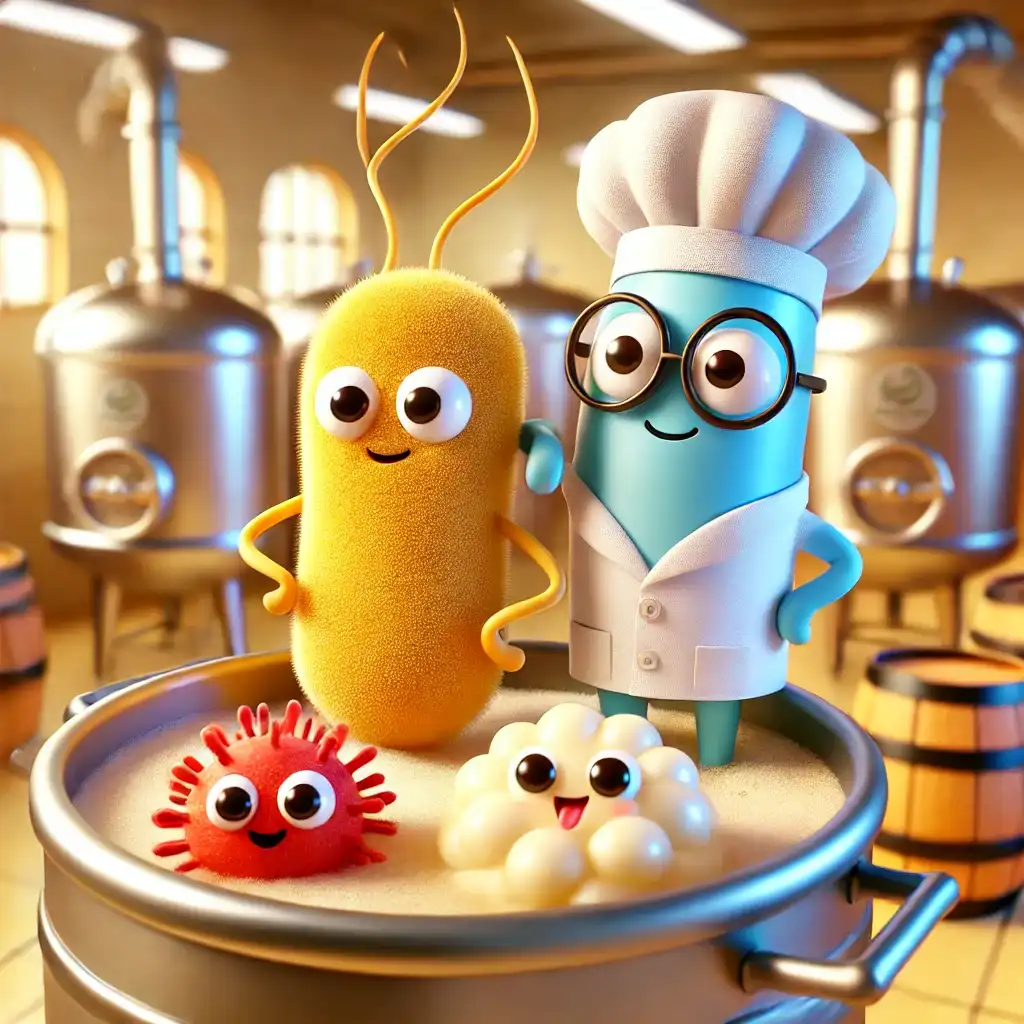
The role of starter cultures in fermentation.
Starter cultures perform several essential functions in the production of fermented foods:
- Acidification: They lower the pH of the food, inhibiting the growth of unwanted microorganisms.
- Flavor and aroma development: Through fermentation, they generate volatile compounds that enrich the sensory profile of the product.
- Improved texture: In dairy and bakery products, they contribute to the desired consistency.
- Greater food safety: They prevent pathogens from developing by producing natural antimicrobial compounds.
Applications of starter cultures in the food industry.
Starter cultures are used in different areas of food production, including:
1. Dairy products.
Starter cultures are essential in the production of fermented dairy products:
- Yogurt: Lactobacillus delbrueckii subsp. bulgaricus and Streptococcus thermophilus work in symbiosis to acidify it and give it its characteristic flavor.
- Kefir: A combination of lactic acid bacteria and yeasts creates a drink with probiotic properties.
- Cheeses: Cultures such as Lactococcus lactis and Penicillium roqueforti develop the texture and ripening of cheeses such as cheddar and Roquefort.
2. Fermented sausages.
- In products such as salami and chorizo, cultures of Lactobacillus and Pediococcus promote fermentation and improve microbiological safety.
3. Baking.
- Sourdough: Natural yeasts and lactic acid bacteria, such as Lactobacillus sanfranciscensis, contribute to the flavor and texture of artisan breads.
4. Fermented drinks.
- Beer: Yeasts such as Saccharomyces cerevisiae convert sugars into alcohol and carbon dioxide, developing characteristic flavor profiles.
- Wine: Oenococcus oeni takes part in malolactic fermentation, softening the wine’s acidity.
- Kombucha: A consortium of bacteria and yeasts (SCOBY) ferments sweetened tea, producing an acidic, lightly carbonated drink.
5. Fermented vegetables.
- Sauerkraut and kimchi: Lactobacillus plantarum and Leuconostoc mesenteroides ferment the cabbage, giving it its sour taste and probiotic properties.
- Fermented pickles: Lactic fermentation improves texture and extends shelf life.
Starter cultures and bioreactors.
Today, industrial production of fermented foods has been optimized through the use of bioreactors, which allow fermentation conditions such as temperature, pH and oxygenation to be controlled precisely. This ensures the quality and consistency of the final product.
Starter cultures play a fundamental role in the production of fermented foods, influencing their flavor, texture and safety. Their use ranges from dairy products and sausages to fermented drinks and vegetables, showing their versatility in the food industry. Thanks to technological advances and the use of bioreactors, modern fermentation has become a more efficient and standardized process, ensuring high-quality products.