
Fermented sausages: tradition and science in charcuterie.
Since ancient times, fermented sausages have been an effective way to preserve meat. What began as a rudimentary technique has been refined over time into a complex process involving microbiology, humidity control and precise curing. Today, the combination of tradition and technology produces products with unique flavors and unrivaled characteristics.
Fermented sausages are meat products processed through controlled fermentation followed by curing and drying. This method not only extends the shelf life of the meat but also improves its flavor, texture and food safety.
What are fermented sausages?
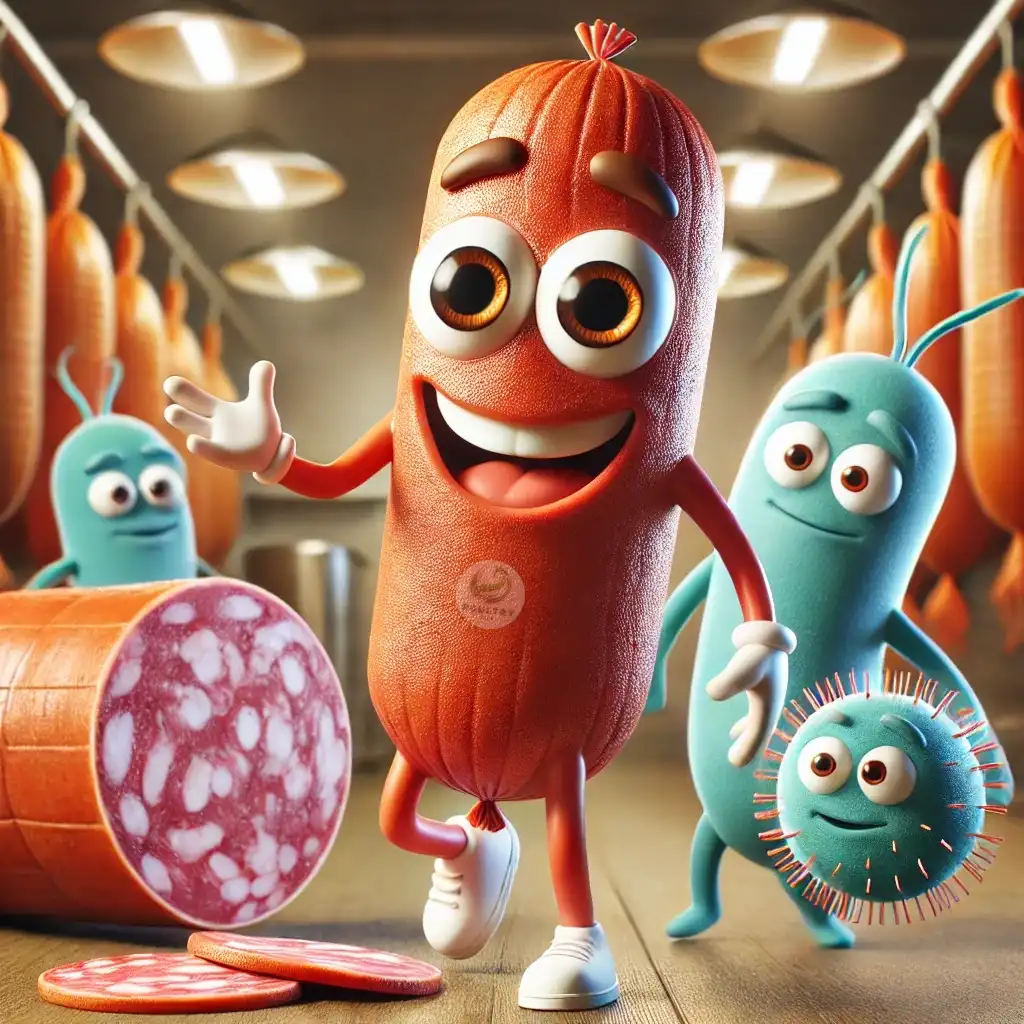
They are meat products made from minced meat, fat, salt, spices and specific microbial cultures that trigger fermentation. During this process, lactic acid bacteria such as Lactobacillus and Pediococcus convert sugars into lactic acid, lowering the pH of the product and preventing the growth of harmful microorganisms.
What are starter cultures?
Starter cultures are blends of selected microorganisms, mainly lactic acid bacteria and yeasts, that are added to sausages to control and speed up fermentation. These cultures ensure even acidification, improve food safety and contribute to the development of the flavor and texture of the final product.
Companies such as Lab. Amerex develop specific starter cultures for fermented sausages, allowing producers to adjust the characteristics of the product to their needs.
Production process.
Making fermented sausages involves several essential stages:
- Mincing and mixing: The meat is ground and mixed with fat, salt, spices and starter cultures.
- Stuffing: The mixture is stuffed into natural or artificial casings.
- Fermentation: It is left under controlled temperature and humidity so that lactic acid bacteria can acidify the meat.
- Curing and drying: The sausage undergoes a ripening process in which it loses moisture and develops its characteristic flavor and texture.
- Consumption or further ripening: Some products can be aged for longer to intensify their flavor.
Types of fermented sausages.
There are many fermented sausages around the world; among the most popular are:
- Salami (Italy, France, Germany): Made with pork and spices.
- Spanish chorizo: Contains paprika, which gives it its characteristic red color.
- Fuet (Spain): A thin sausage with fast fermentation and a mild flavor.
- Soppressata (Italy): A type of salami with a longer drying process.
- Saucisson sec (France): Similar to salami but with flavor notes typical of the region.
- Pepperoni (USA): Known for its use on pizza and its characteristic spicy flavor.
Benefits of fermentation in sausages.
- Food safety: The drop in pH inhibits the growth of pathogens.
- Longer shelf life: Fermentation and drying reduce water activity, preventing bacterial growth.
- Better flavor and aroma: Bacterial metabolism generates compounds that enrich the sausage’s sensory profile.
- Optimal texture: Controlled fermentation and ripening create a firm structure that is pleasant on the palate.
Fermented sausages and bioreactors.
With advances in biotechnology, bioreactors have made it possible to improve and standardize the fermentation process in sausages. These systems allow factors such as temperature, humidity and oxygen concentration to be controlled precisely, ensuring safe, high-quality products.
Fermented sausages are a perfect combination of tradition and science. Throughout history, their production has evolved from rudimentary methods to the use of advanced technologies such as bioreactors. Their unmistakable flavor, texture and durability make them an essential part of global gastronomy.
Keep reading